

Grief for family and friends
Grief can be understood as a natural and deeply human response to significant loss. Although it is a universal experience, grief is unique to each person and can look very different from one individual to another. It may bring sadness, longing, anger, guilt, relief, numbness, anxiety, or even moments of joy. It can affect the way we think, sleep, eat, relate to others, and move through our everyday lives. These experiences can come and go in unexpected ways and rarely follows a linear path. There is no right or wrong way to grieve, nor is there a fixed timeline for when grief should become easier.
Because grief is so personal and uncertain, there is no general roadmap that can take away the pain of losing someone we love. Grief is not something we simply “get over”; rather, over time, we may find ways of carrying the loss while continuing to live, connect, and make meaning. At times, this may mean allowing ourselves to be close to the pain, while at others it may mean stepping away from it and making space for rest, connection, or moments of joy. Both can be meaningful parts of the grieving process.
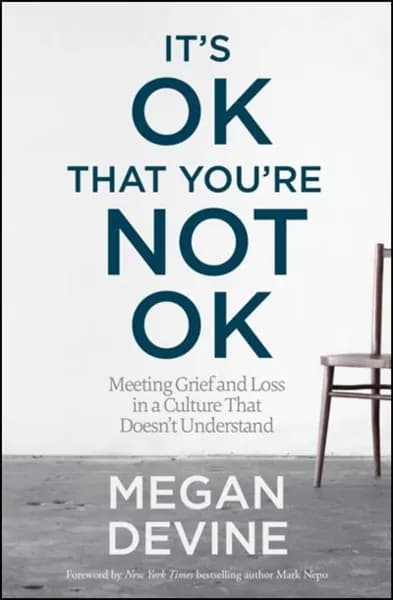
While there is no single way through grief, having access to information, connection, and support can make the experience feel a little less lonely. This toolkit brings together a range of resources (including books, films, podcasts, websites, and support groups) that may offer understanding, comfort, companionship, or simply the reassurance that what you are experiencing is shared by others. We invite you to explore these resources at your own pace, and to take from them whatever feels meaningful and supportive for you at this point in your journey. You do not have to go through this alone.




















This content was created during the YARN project, co-funded under the EU4Health Programme in 2025-2028 (Grant Agreement No. 101219053).